Small Grants, Citywide Momentum
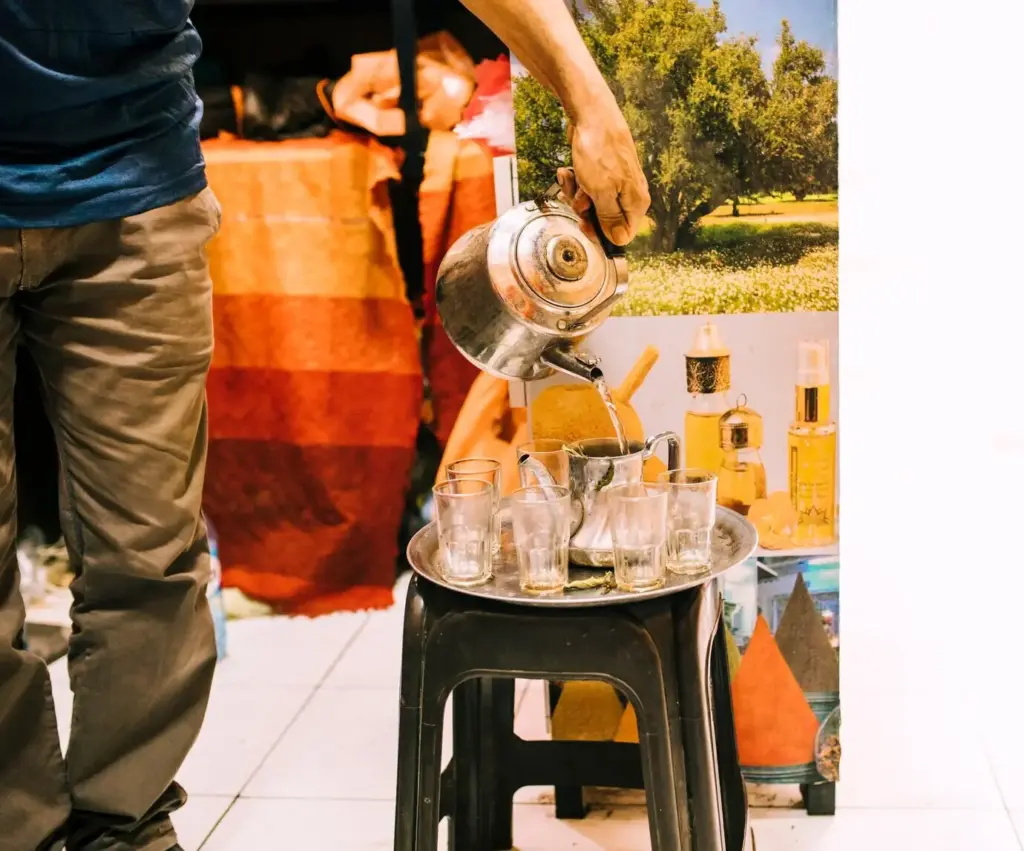
Today we explore community microgrants that catalyze citywide development, showing how small, trust-based investments can ignite local leadership, unlock cross‑neighborhood collaboration, and scale promising experiments into resilient systems. Discover actionable frameworks, inspiring stories, and ways you can participate, fund, or champion efforts that transform everyday ingenuity into shared urban progress.

From Seed to System: Turning Local Sparks into Citywide Practices

Microgrants begin as modest boosts for neighbors with practical ideas, yet their real power appears when learning compounds and pilots evolve into standard city practices. We trace pathways that help small wins cross boundaries, influence procurement, and inspire policies that embed community creativity in longstanding urban decision making.

Designing a Lightweight Program that Welcomes First‑Time Applicants

Keep applications short, jargon‑free, and mobile friendly, reducing cognitive load for busy neighbors who already contribute unpaid labor. Offer examples, office hours, and transparent timelines. Center trust by paying upfront where possible, so people without savings can participate equitably without absorbing risk on behalf of the entire city.

Nurturing Local Champions Who Bridge Streets and Systems

Identify residents who informally coordinate block projects, then support them with micro‑stipends, peer circles, and simple reporting templates. These connectors translate institutional expectations into accessible steps, surface barriers quickly, and model how neighborhood ingenuity can responsibly plug into city processes without diluting authenticity or community priorities.

Creating Replicable Pathways from Pilot to Practice

Document each project with photos, checklists, vendor lists, and budget templates. After several iterations, publish a simple playbook that others can remix. Invite city staff to walkthroughs, demonstrating safety, feasibility, and community ownership, so promising ideas become adoptable practices instead of one‑off events that fade quietly.

Funding Mechanics That Multiply Impact

Right‑sized grants and clear rules build trust, yet thoughtful mechanics unlock multiplier effects. Matching funds, fiscal sponsorship, and pooled resources help tiny projects attract partners, while flexible timelines respect volunteer realities. We outline structures that compound impact without burying neighbors under avoidable paperwork or compliance anxiety.

Choosing Amounts and Timelines that Fit Real Life

Amounts between a few hundred and a few thousand dollars often cover materials, permits, and refreshments, enabling immediate action. Pair quick decisions with staggered deadlines and extensions for weather or supply delays, acknowledging that residents juggle caregiving, shift work, and unpredictable conditions beyond institutional calendars.

Transparent Selection that Signals Fairness and Inclusion

Publish criteria with plain‑language scoring rubrics and share anonymized examples of strong applications. Invite community reviewers, compensate their time, and disclose conflicts of interest. Feedback letters with constructive suggestions turn rejections into roadmaps, while multilingual support and accessibility accommodations widen the pool of capable, overlooked applicants.

Neighbor‑to‑Neighbor Matching and Local In‑Kind Contributions

Encourage modest matches through donated space, tools, and professional services, valuing non‑cash contributions explicitly. A café may provide coffee; a contractor might loan ladders. This approach stretches budgets, strengthens relationships, and roots projects in shared stewardship rather than transactional funding alone, building durable networks beyond any single grant.

A Block’s Bloom: From Empty Corner to Pollinator Pocket

Residents secured a microgrant for soil, native plants, and signage. A nearby school adopted watering duties, while seniors shared gardening tips learned decades ago. Within months, the space hosted poetry nights, neighbors exchanged seeds, and the city’s parks team piloted simplified permits inspired by the project’s documented process.

Brushes and Belonging: Youth Murals Redefine a Corridor

A youth group co‑designed murals telling migration stories and local pride. The grant covered paint, protective coatings, and a mentor artist. Businesses offered walls and snacks. Passersby paused, asked questions, and shared memories, transforming a hurried thoroughfare into a conversational landmark where safety and connection started feeling possible.

Measuring What Matters Without Slowing the Work

Data should clarify, not complicate. Focus on concise indicators tied to lived experience, like usage, perceptions of safety, local spending, and volunteer hours. Pair counts with stories, photos, and after‑action notes to understand not only outcomes but also conditions that allowed small projects to flourish.

A Simple Dashboard that Fits on One Page

Track three levels: activity delivered, immediate results, and early signals of wider change. Use checkboxes, short notes, and quick photo uploads. Consistency matters more than complexity, enabling comparisons across neighborhoods while keeping residents focused on action rather than wrestling with unwieldy spreadsheets and fractured reporting systems.

Collecting Voices with Care and Reciprocity

Invite feedback through brief conversations, QR codes, and phone hotlines, offering small thank‑yous for people’s time. Translate forms, respect privacy, and avoid extracting painful stories. The goal is mutual learning that honors dignity while illuminating how designs can better serve those closest to the challenges.

Learning Loops that Inform the Next Round

Host debriefs where grantees share missteps and surprises without fear of penalties. Publish concise insights for applicants, reviewers, and city partners. Over cycles, patterns emerge—common bottlenecks, helpful vendors, realistic timelines—shaping program tweaks that improve access, efficiency, and long‑term viability across diverse neighborhoods and project types.

Equity, Trust, and Access at the Core

To genuinely catalyze citywide development, microgrants must meet people where they are. Reduce paperwork, compensate time, and design inclusive outreach that spans languages, ages, and abilities. Trust grows when communities define goals, shape decisions, and share credit alongside funders, agencies, and nonprofit intermediaries supporting the work.

Public–Private Alignment that Respects Community Lead

Invite agencies to observe projects in progress and listen first. Encourage businesses to contribute supplies or sponsorships guided by community priorities. Agreements should clarify roles, share credit fairly, and avoid branding overload, keeping the work centered on residents while widening resources and institutional visibility for the next steps.

Civic Tech that Simplifies, Connects, and Documents

Use accessible tools for applications, messaging, mapping, and expense tracking. Public maps show where projects bloom, inspiring neighbors elsewhere. Templates automate emails and reminders without feeling robotic. Digital documentation accumulates collective knowledge, turning scattered experiments into a searchable city memory that accelerates future cycles and equitable participation.

Get Involved Today: Apply, Mentor, Fund, or Share

Whether you are a neighbor with a practical idea, a seasoned organizer, a city staffer, or a local business, there is a role. Apply for a small grant, mentor first‑time applicants, offer space or supplies, and share stories that keep momentum building across diverse communities and corridors.

For Community Members Ready to Start

Sketch your idea in three sentences, list materials, and outline one small milestone achievable within a month. Recruit two allies, pick a realistic date, and identify one supportive partner. Share your plan publicly to invite help, accountability, and joyful anticipation from neighbors who will benefit directly.

For Practitioners and Mentors

Offer office hours, review applications, and provide checklists that shorten learning curves. Share vendor contacts, permit tips, and safety practices openly. Celebrate experiments that fail thoughtfully, because honest reflection prevents burnout and strengthens the ecosystem, ensuring each new cohort inherits fewer barriers and a richer foundation.

For Funders and Institutions

Pilot flexible disbursements, cover insurance or fiscal sponsorship fees, and invest in documentation that spreads know‑how. Sponsor shared tools, multilingual outreach, and accessible meeting spaces. Ask communities how success should look, then align resources accordingly, signaling genuine partnership instead of transactional grant cycles that overlook lived expertise.
Kafonurafotiratiki
Privacy Overview

This website uses cookies so that we can provide you with the best user experience possible. Cookie information is stored in your browser and performs functions such as recognising you when you return to our website and helping our team to understand which sections of the website you find most interesting and useful.